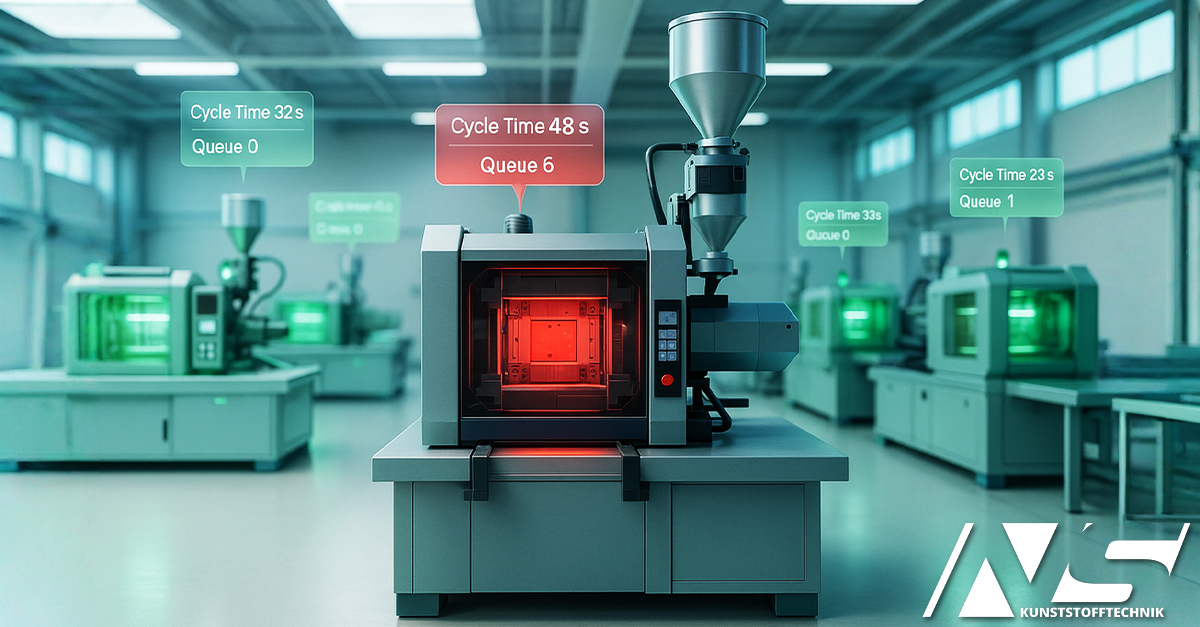
Efficiency doesn’t always start with adding more machines. It starts with knowing where the real slowdown is.
Every production system has a weakest link, the point where flow slows, queues form, and output drops. Bottleneck analysis is the process of finding that constraint and tackling it directly.
In manufacturing, it means studying every stage of production to locate the step that limits throughput, whether it’s an overloaded workstation, a slow machine, or a resource in short supply. Once identified, teams can focus their improvement efforts exactly where they’ll have the biggest impact.
For manufacturers, the payoff is clear: shorter lead times, fewer delays, and smoother operations. Managers can redistribute workloads, add capacity where it counts, or redesign workflows to keep parts moving without interruption. When done right, it’s a data-driven approach that turns hidden inefficiencies into measurable gains.
Our plastic specialists at NSK use this proactive method to prevent delays and raise our customer satisfaction. We're not doing it just to chase efficiency, we're safeguarding our reputation, keeping costs down, and ensuring every project meets its deadline without waste.
If you graphed yesterday’s flow, where did work queue the longest, and what one change so you think would relieve it this week?