Materials, design, and digitalization: the three levers shaping a greener automotive industry.
The automotive supply chain sits at the heart of energy conservation, emission reduction, and lightweighting. Technology like injection molding has opened doors, but true sustainability rests on broader forces shaping how vehicles are designed and built.
Three areas stand out:
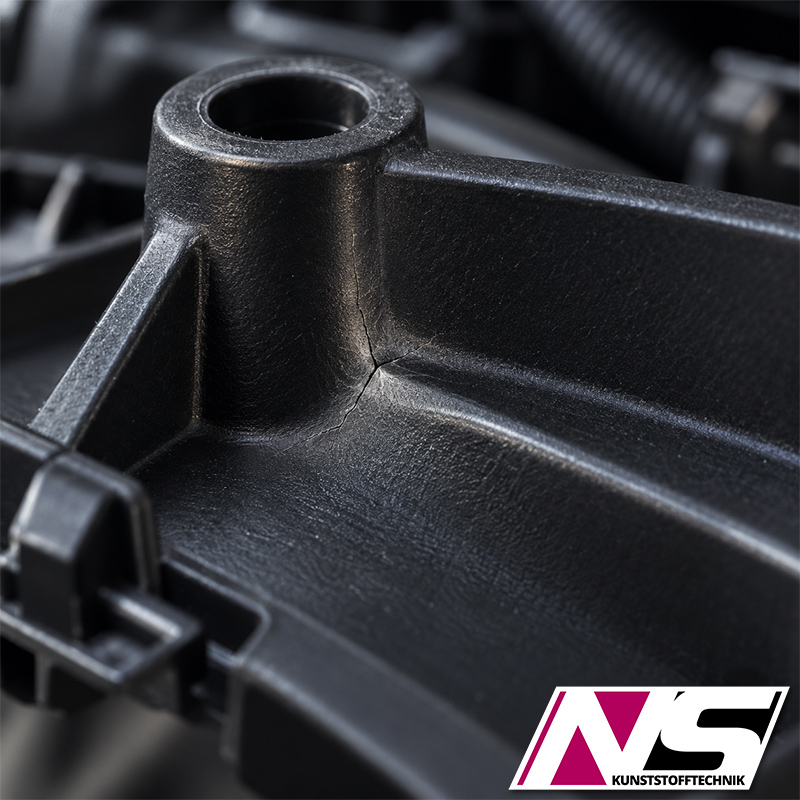
First, materials innovation. Advanced composites, high-strength alloys, and next-generation polymers are redefining what’s possible. They trim weight without sacrificing strength, helping automakers hit efficiency targets while meeting safety standards.
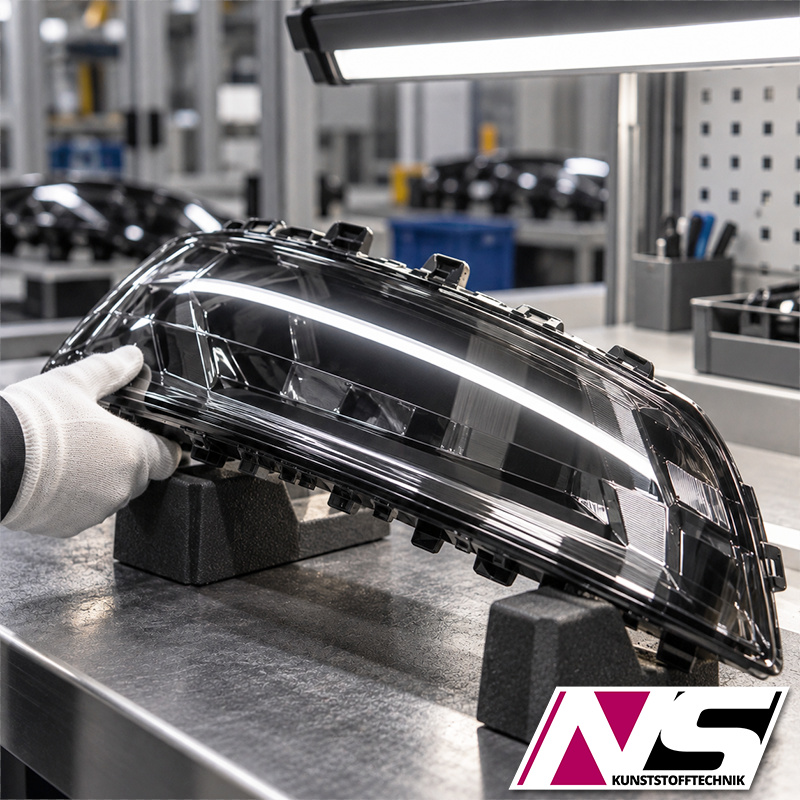
Second, collaborative design. Lightweighting is never achieved in isolation. When suppliers, manufacturers, and designers align early, materials and processes fit seamlessly into the bigger picture. Shared goals and transparency accelerate sustainable outcomes.
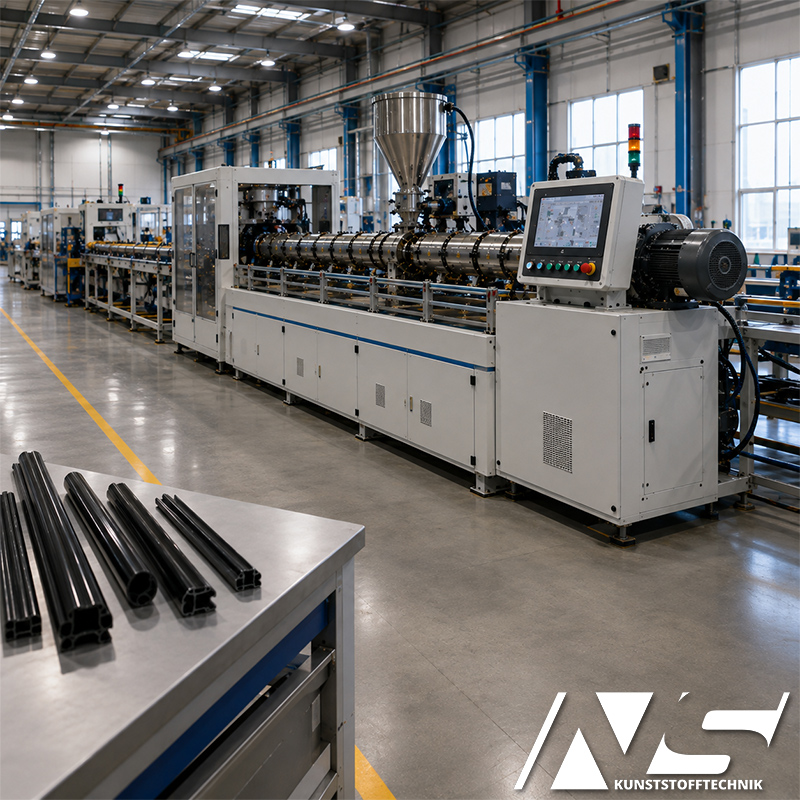
Third, supply optimization and digitalization. Data analytics, blockchain, and real-time monitoring bring visibility to complex global networks. By reducing waste, improving traceability, and cutting costs, they help ensure components arrive on time and with a lighter footprint.
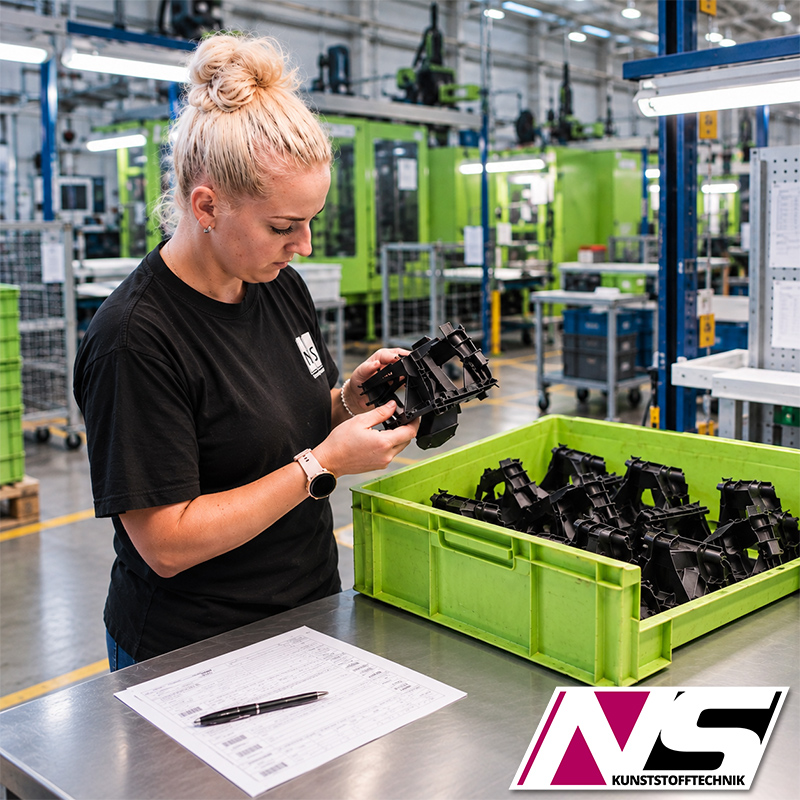
Together, these pillars highlight why supplier evolution is inseparable from industry progress. From material breakthroughs to digital supply chains, adapting to sustainability demands is no longer optional. It is why choosing a plastics partner with proven expertise, like NS KUNSTSTOFFTECHNIK - CZ, is becoming a strategic advantage in securing long-term competitiveness.