“Zero percent defects” isn’t wishful thinking, it’s what happens when you design for prevention instead of correction.
The idea of zero defects can sound impossible, especially when production lines are moving fast and pressure is high. But in reality, it’s less about perfection and more about how you design your processes. The secret is to stop thinking of quality as something you check at the end, and start treating it as something you build in from the beginning.
Manufacturers who consistently avoid defects don’t rely on luck. They rely on structure. A simple five-step framework can help any team move in the same direction.
1️⃣ Eliminate. Use design or Poka-Yoke methods to make mistakes physically impossible, such as preventing a part from fitting unless it’s correct.
2️⃣ Automate. Let technology handle repetitive, high-variation work that humans cannot perform perfectly every time.
3️⃣ Facilitate. Keep your work instructions as living documents, updated after every improvement round.
4️⃣ Mitigate. Validate each stage so small misses do not snowball into bigger issues.
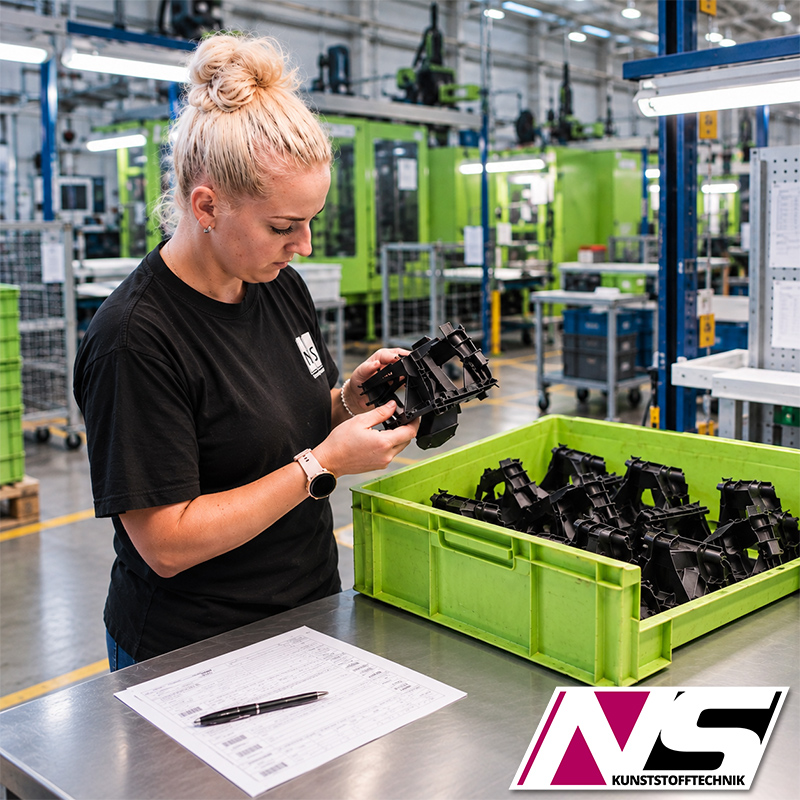
5️⃣ Flag. Use smart inspection points to catch anything that slips through before it becomes rework or a customer problem.
Each of these steps reinforces the same mindset: prevention always beats correction. When teams apply them consistently, zero defects stops being a slogan and starts becoming part of the daily routine.