Why do some injection molds run reliably for millions of cycles while others struggle to survive even a fraction of that lifespan?
The service life of a plastic injection mold can span anywhere from a few hundred cycles to well beyond one million. That's a big spread(!), and is driven by design choices, material selection, process discipline, and how the tool is treated over time.
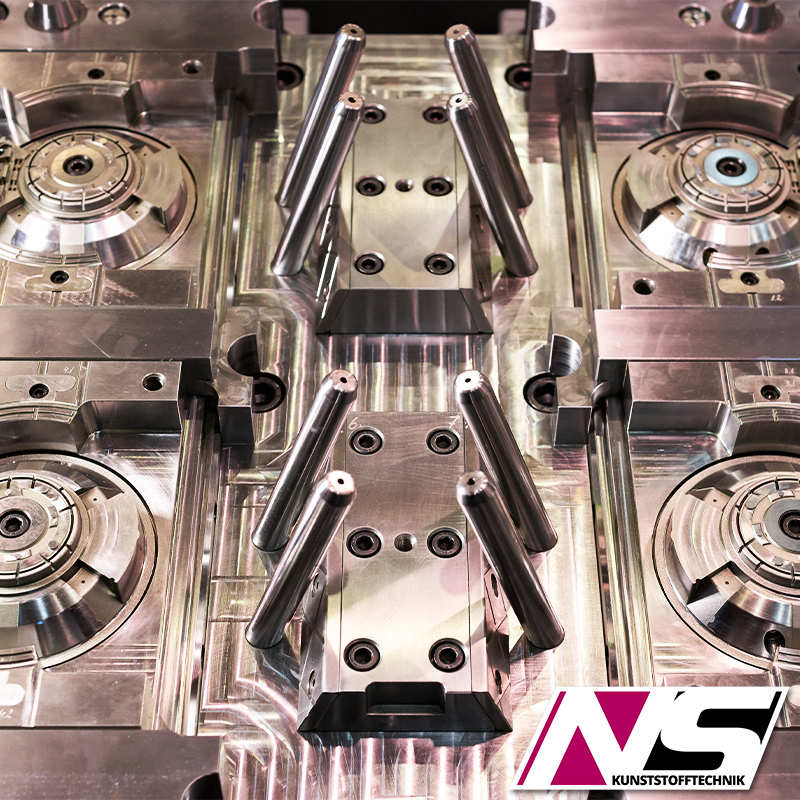
Mold longevity is influenced by operating environment, steel quality, structural rigidity, cooling design, and the consistency of molding parameters. Injection molds are therefore classified by production intent: The SPI mold classes range from Class 101 tools for sustained high-volume production, through Class 102 and 103 for moderate and low volumes, down to Class 104 tools intended for prototyping or very limited runs. Each class carries different expectations around durability, maintenance intensity, and cost.
But understanding the mold class alone is not enough. Defects such as sink marks, burn marks, and surface delamination accelerate uneven wear and premature degradation. That's why preventive maintenance is essential, including scheduled inspections, corrective servicing, and protective surface treatments to reduce abrasion and corrosion.
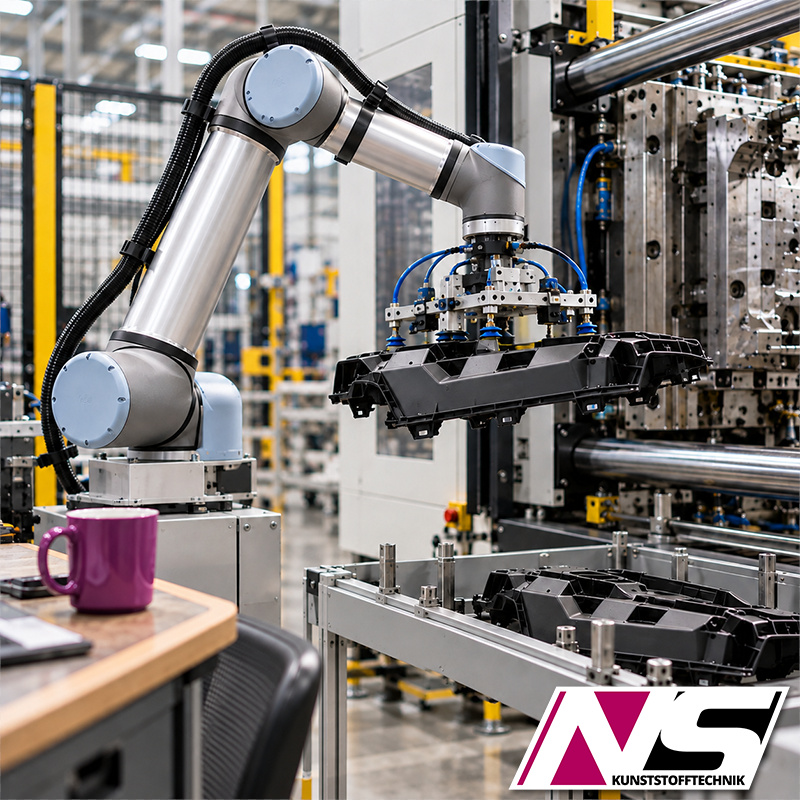
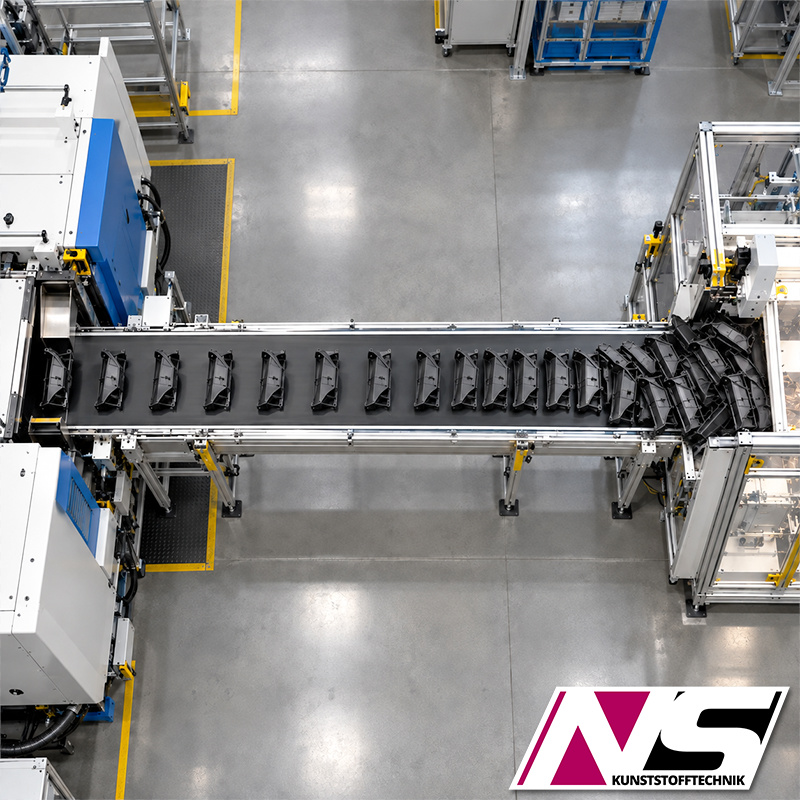
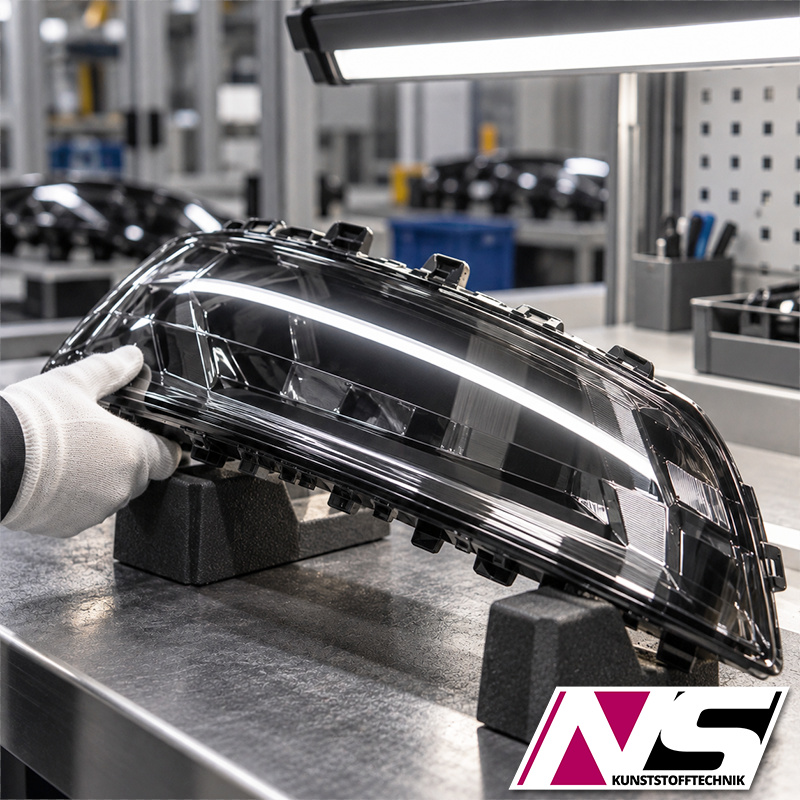
An integrated tooling strategy also makes a big difference. For example, beyond manufacturing plastic components for demanding automotive applications, here at NS KUNSTSTOFFTECHNIK - CZ we support customers with an in-house tool shop and partnerships with specialized mold builders.
This alignment ensures tooling concepts, maintenance strategies, and refurbishment options reflect real production conditions. 🦾
When precise process control is combined with disciplined tooling care, mold investments deliver consistent performance for longer. This is why leading automotive manufacturers trust suppliers who treat tooling as a critical production asset.