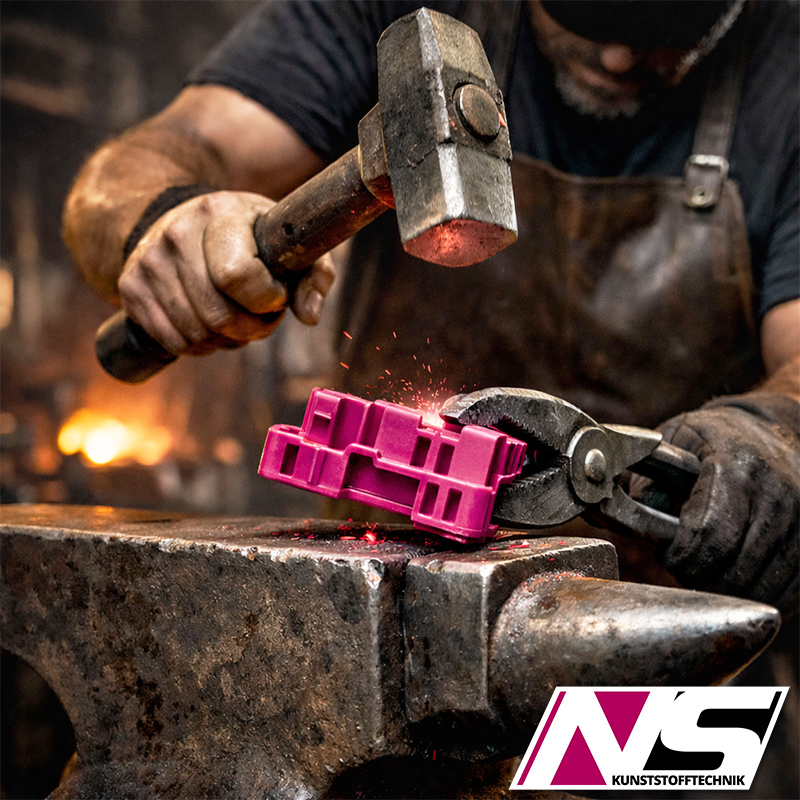
Plastic may not be forged like steel, but every engineered component still needs to survive force, pressure, and impact! 💥
We're constantly reminded that every plastic part we produce has a job to do, and that job usually involves force, pressure, impact, or often all three at once.
Understanding these forces early in development isn't just good engineering practice. It directly shapes the material selection, the geometry, and the long-term durability of the final component.
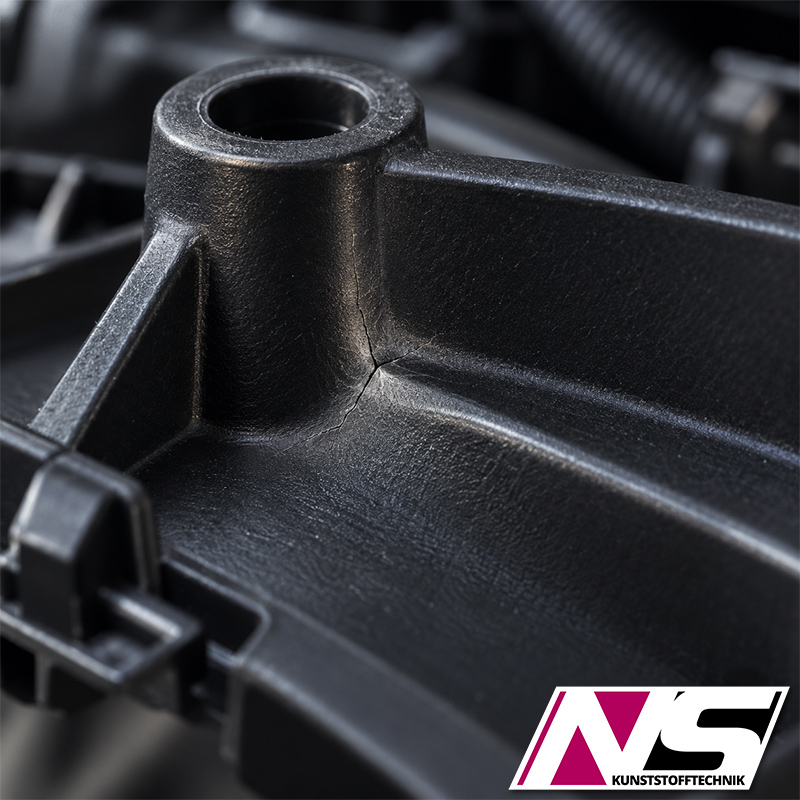
When we know exactly what sort of crazy pressures a part will face in the real world, we can design it to survive (and keep surviving). That means selecting the right polymer blend, reinforcing critical load areas, and avoiding weak points that only reveal themselves when the part is under stress.
Take clips and fasteners as an example. They may appear small, but if they flex repeatedly during assembly, the material must handle fatigue over thousands of cycles. A design that looks perfect in CAD can still snap on the production line if this is overlooked.
For sealing components such as housings or gaskets, internal pressure and thermal expansion become critical factors. Material creep and deformation must be understood early on so that wall thickness, ribbing, and structural support can keep the system sealed over time.
Impact exposed components require another layer of thinking. Parts located near footwells or cargo areas must absorb energy without cracking. Drop testing and other validation methods help ensure that impact modified polymers and well-designed rib structures distribute force safely.
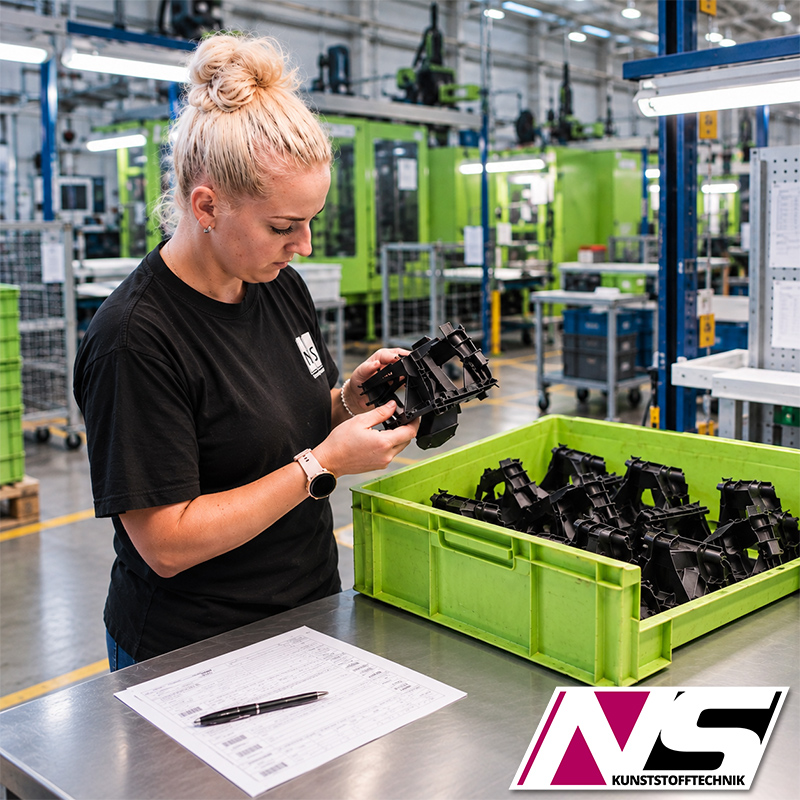
When the forces acting on a part are fully understood, failures can be prevented before they happen. This reduces redesign cycles, balances cost with performance, and delivers parts that behave exactly as expected once they reach real world conditions.
It's not about just molding plastic. It's about engineering reliability. And that starts with understanding the pressures every part will face. 🙌
Do you agree? What forces are your plastic components expected to handle, and how early in development are those conditions considered?