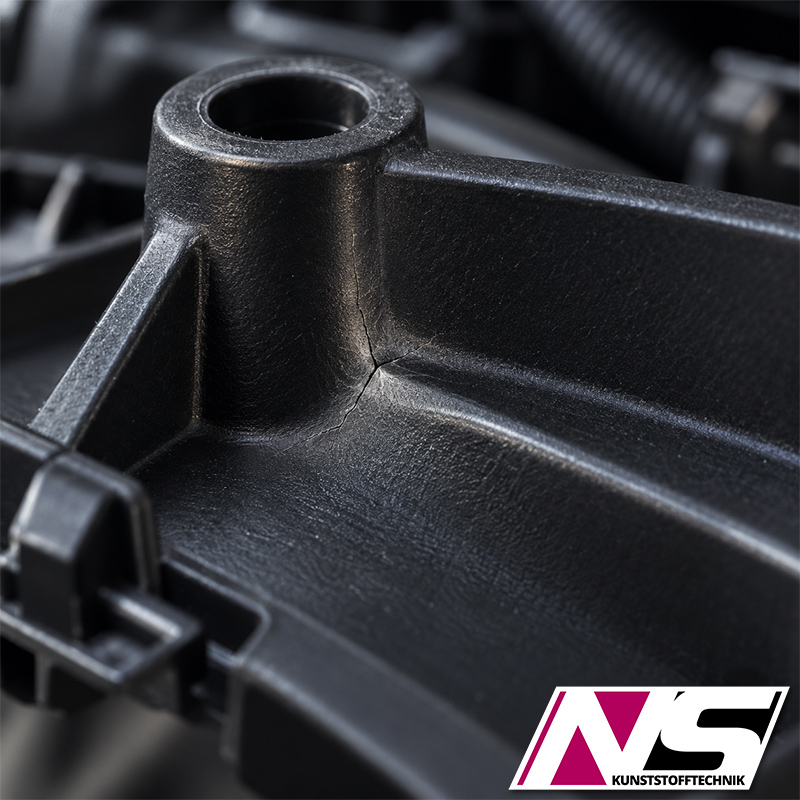
A plastic part can look perfect on day one and still be carrying the seeds of failure.
Stress cracking is just one example. Sometimes it appears months or even years after production, triggered by UV exposure, temperature extremes, chemicals, or repeated mechanical stress.
Other failures begin during molding itself. 😬
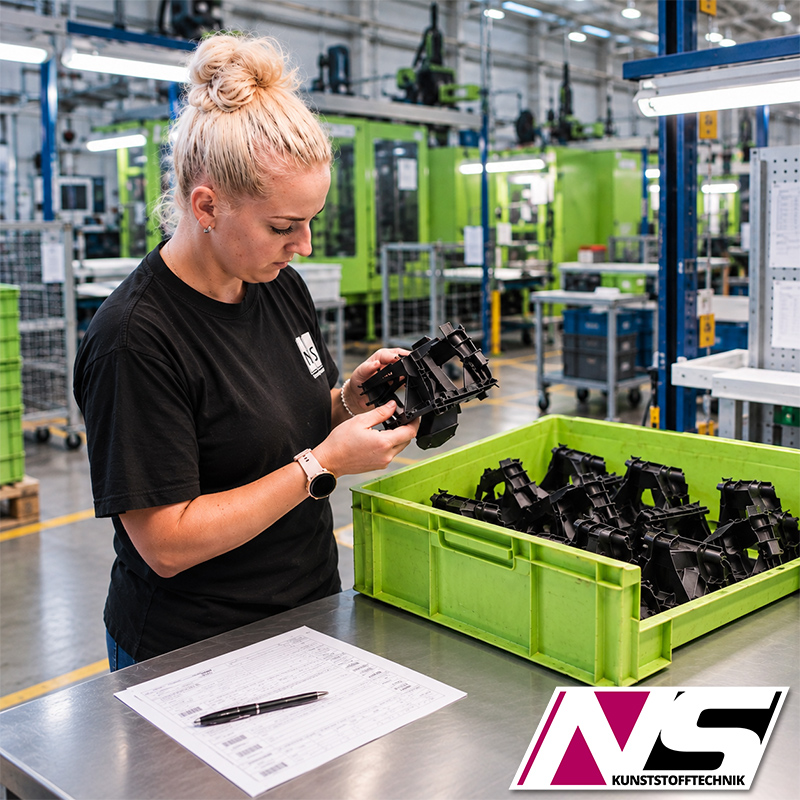
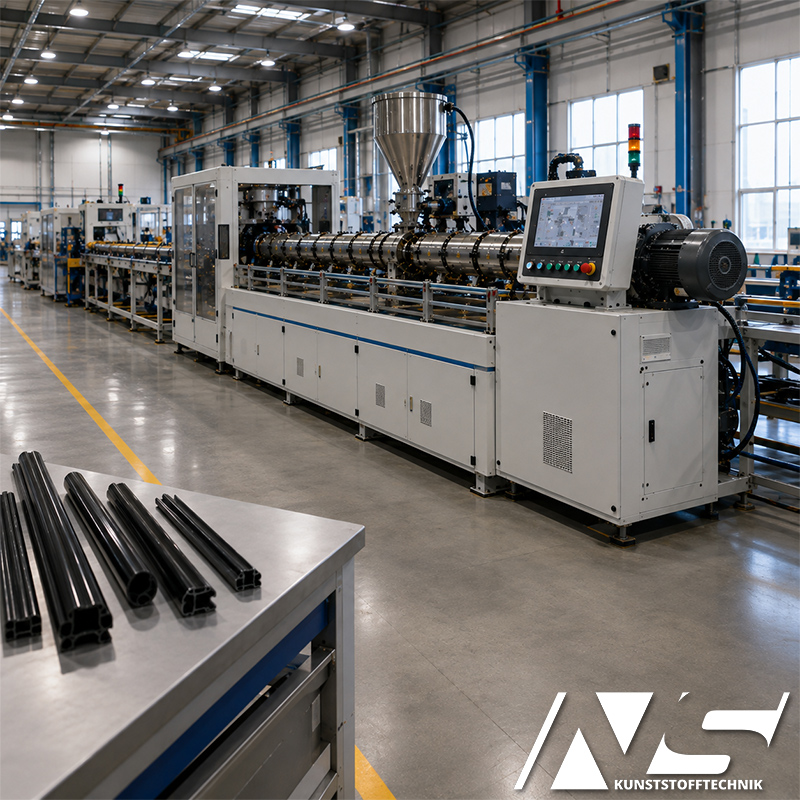
Temperature, pressure, flow and material behavior all influence how polymer chains orient as the cavity fills. Poor processing conditions, unfavorable flow patterns or residual stresses can leave weaknesses locked into the finished component.
The part may pass its initial inspection, but the underlying stress remains.
That matters enormously in automotive applications. Switches, caps, housings, fillers and other molded components can face years of heat cycles, vibration, friction, impact and chemical exposure across hundreds of thousands of kilometres.
Preventing failure requires the right resin, thoughtful part and mold design, controlled processing parameters and a manufacturer that understands how these variables interact.
At NS KUNSTSTOFFTECHNIK - CZ, decades of automotive plastics experience are backed by disciplined process control and a Six Sigma mindset. The objective isn’t simply to produce a part that meets specification today, it’s to build repeatable quality and durability into the process from the outset. 🦾