Your CAD looks flawless on the screen, but melt flow, shrinkage, and sink marks don’t care how perfect your render looks. 😅
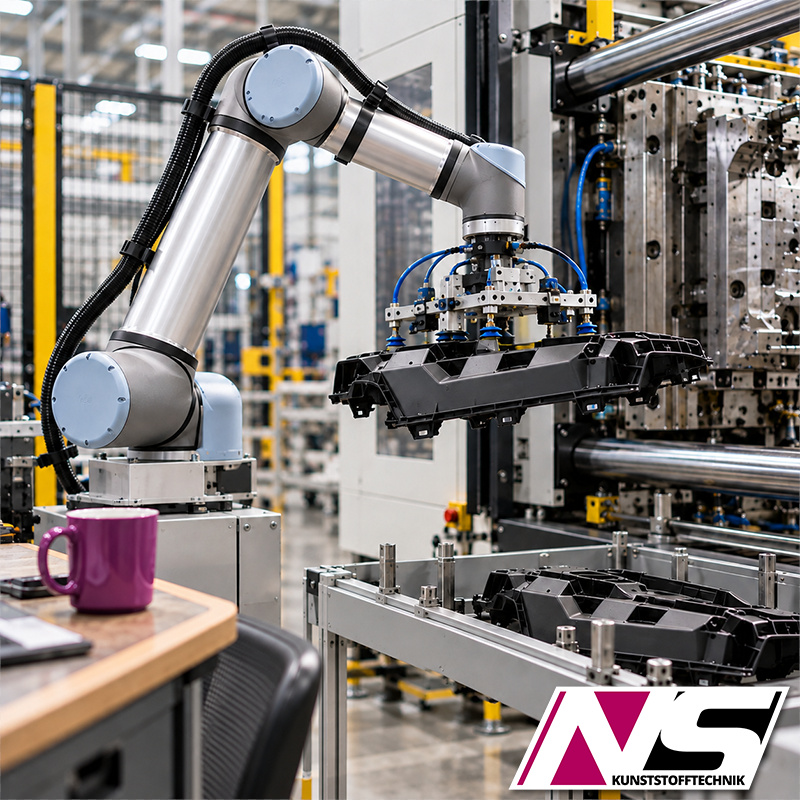
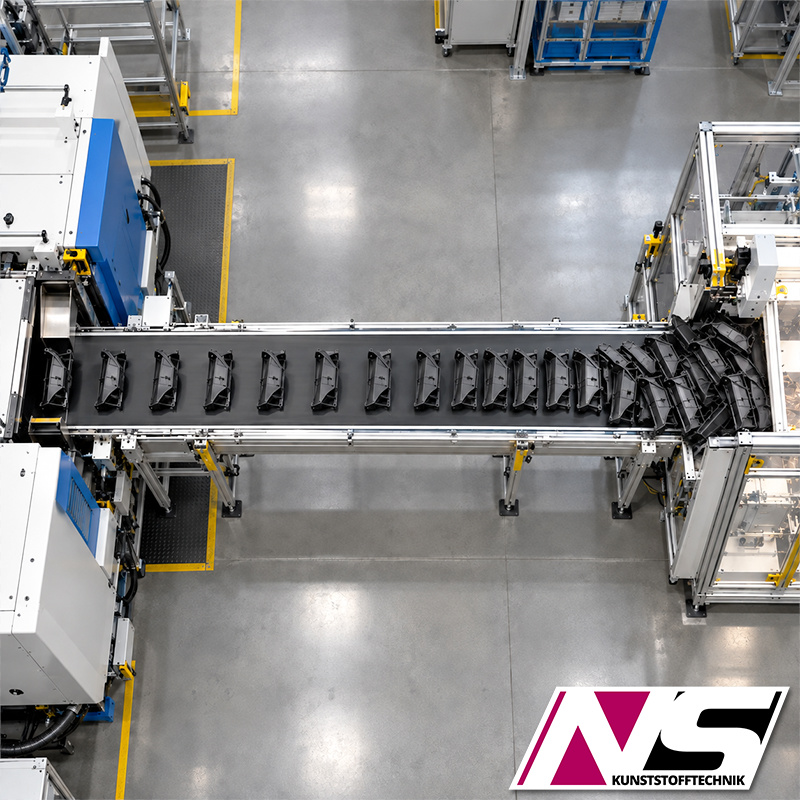
Creating injection molded plastic prototypes before committing to full-scale production is one of the most effective ways to de-risk product development. The critical advantage is validation in the real manufacturing environment.
When parts are produced using the same process intended for series production, engineers can identify shrinkage behavior, warpage tendencies, weld lines, gate vestiges, and parting line challenges under realistic conditions.
This closes the gap between digital design intent and physical performance because material behavior can’t be fully understood through CAD alone. Flow paths, fiber orientation in reinforced grades, sink formation, and dimensional stability only reveal themselves once polymer enters the cavity.
Early prototype runs allow teams to evaluate these variables while tooling adjustments are still feasible and cost exposure remains controlled. Design refinements to rib structure, wall thickness transitions, or gate positioning can be implemented before hardened tools lock in limitations.
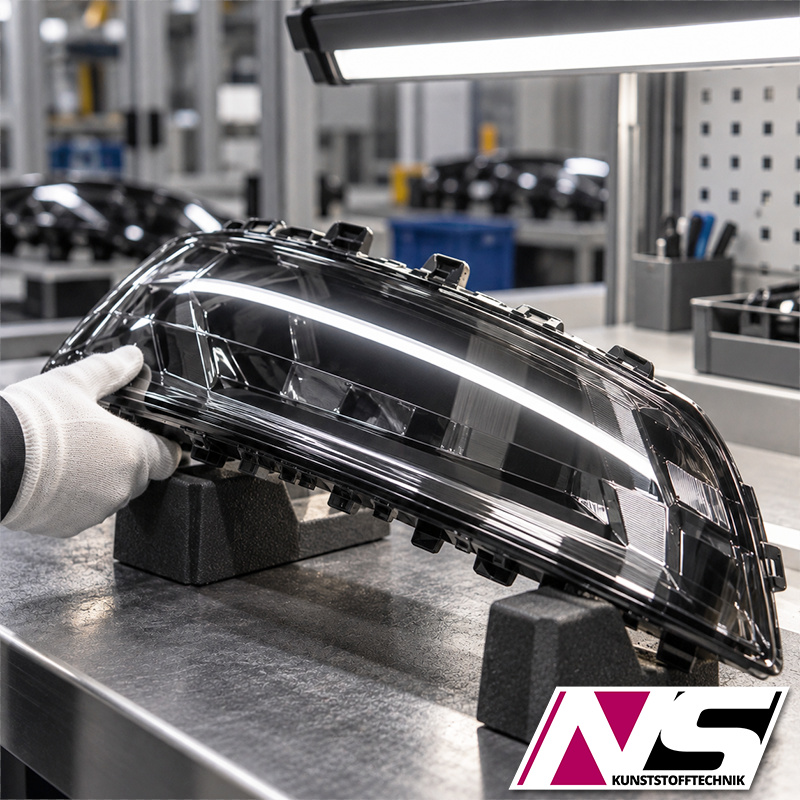
There’s also a strategic dimension. Physical prototypes communicate credibility. They allow stakeholders, customers, and investors to assess feasibility in a tangible way. Instead of presenting renderings, teams demonstrate manufacturable reality. 💡
If you're preparing a new plastic component for series production, how early are you validating it in the real molding process?