Every great plastic component starts with one thing: better engineering decisions.
Long before a tool is built or an injection molding machine starts its first production cycle, many of the factors that influence quality, cost, and delivery have already been determined. Material selection, wall thickness, draft angles, tolerances, assembly requirements, and expected production volumes all shape how successfully a component can be manufactured.
That's why early collaboration matters. 🤝
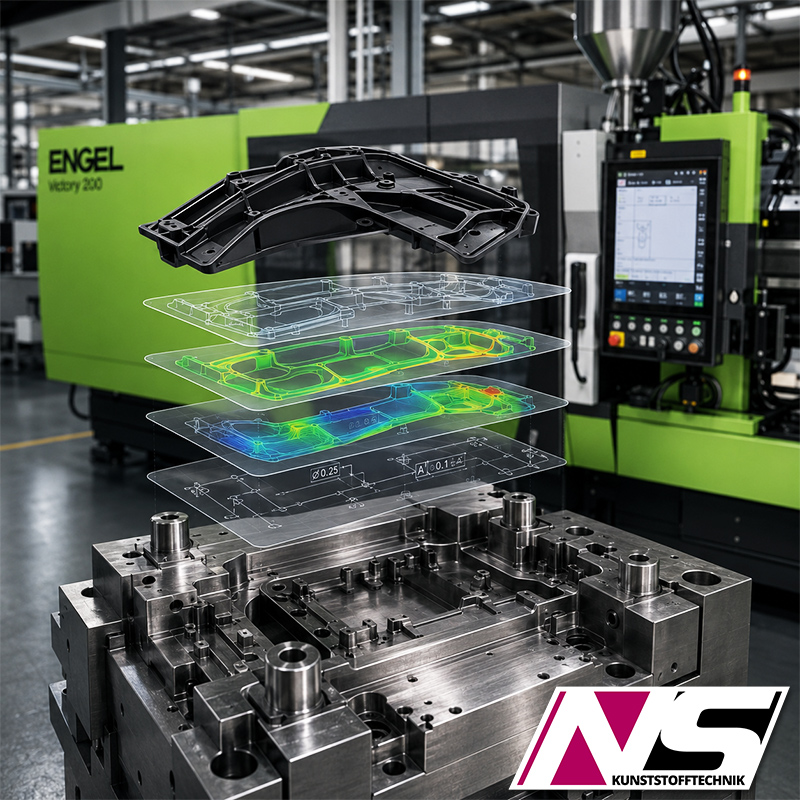
At NS KUNSTSTOFFTECHNIK - CZ, every new programme begins with a detailed Design for Manufacturing (DFM) assessment. Rather than simply reviewing a drawing, we work to understand how the component will function, how it will be assembled, and how it can be produced consistently over hundreds of thousands, or even millions, of cycles.
That process usually starts with three essential pieces of information: your production drawings, expected programme volumes, and material or application requirements. Together, they provide the context our engineering team needs to identify potential risks, optimise the design, and build a manufacturing process that delivers stable, repeatable results.
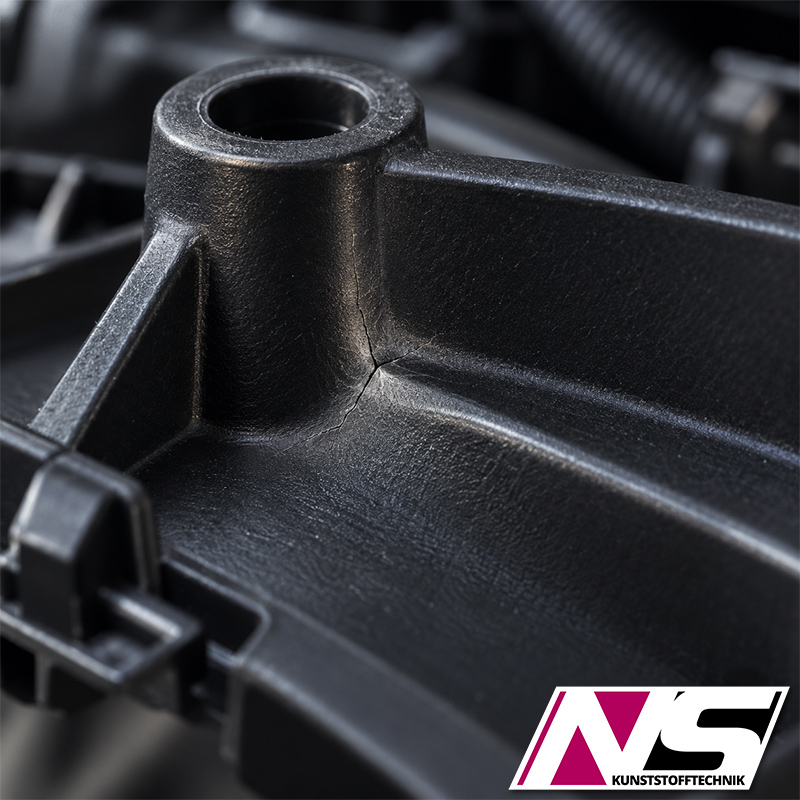
Sometimes the outcome is a small design adjustment that improves mold filling or reduces cycle time. Other times it's a recommendation that simplifies tooling, improves dimensional stability, or prevents a quality issue before production even begins.
These early engineering decisions rarely receive much attention, yet they often have the greatest impact on long-term programme success.
Because the goal isn't just to produce a good plastic part. It's to develop a manufacturing process that delivers the same quality, precision, and reliability from the first component to the millionth. 🦾
If you're developing a new plastic component, we'd be happy to discuss how an early DFM assessment can help optimise your design before tooling is commissioned.