Every lasting process improvement begins with one observation that deserves to be tested.
Moving from intuition to repeatable results takes a structured approach and years of practical experience. At NS KUNSTSTOFFTECHNIK - CZ-K, we run short, focused Kaizen sprints where every experiment begins with a clear hypothesis, a defined success metric, and rapid statistical validation.
The result is faster improvements, fewer surprises, and more parts meeting specification the first time. Here's how it works on the shop floor:
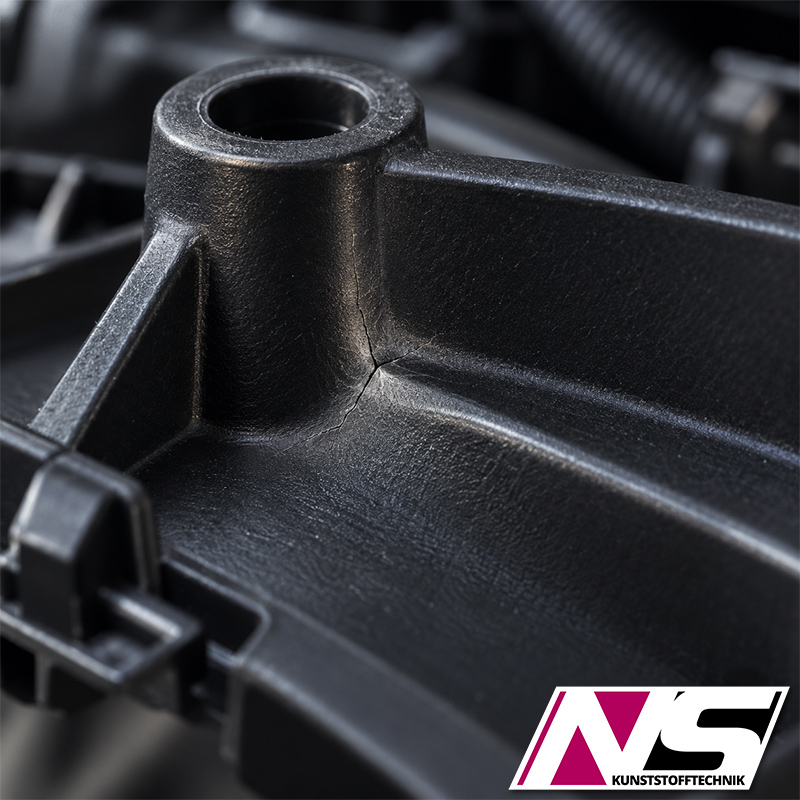
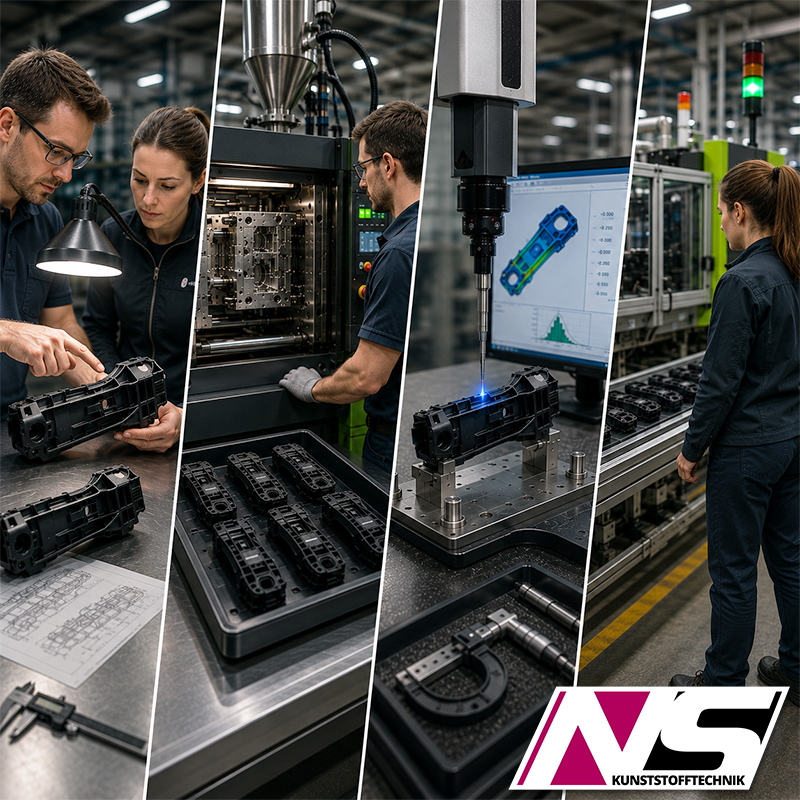
⬆️ We define a hypothesis. It might be as simple as: "Increasing melt temperature by 3°C will reduce sink marks on a B-pillar trim component."
2️⃣ We run a controlled micro-experiment using a small production batch.
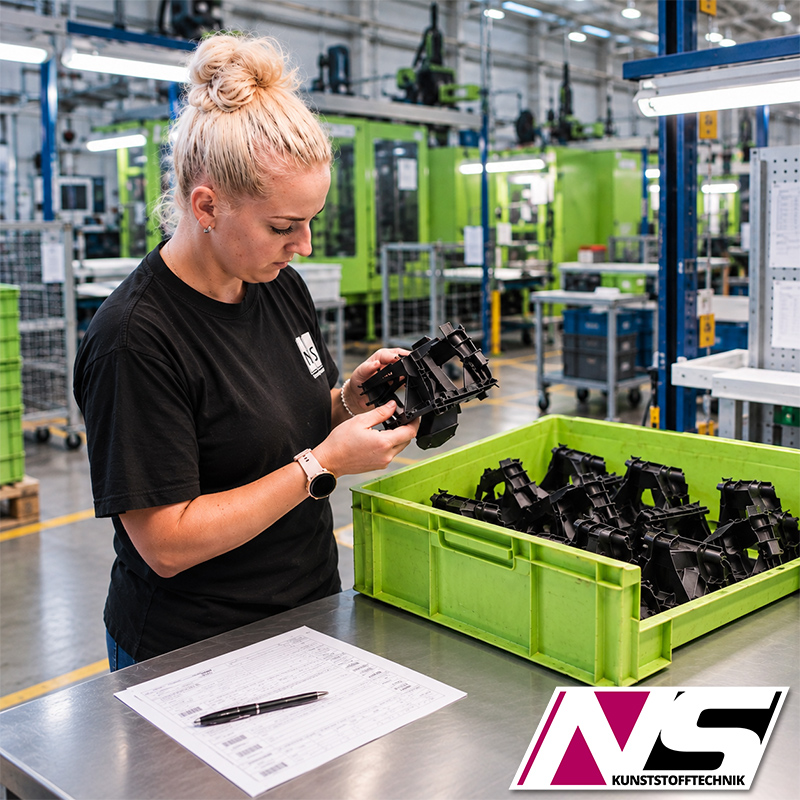
3️⃣ We measure the results, including first-pass yield, dimensional variation, cycle time, and any other critical process indicators.
4️⃣ If the data supports the hypothesis, we standardize the improvement and build it into our normal way of working.
For OEMs and Tier 1 suppliers, the benefits are tangible: lower scrap rates, fewer production interruptions, lower warranty exposure, and more predictable OTIF performance. Because every minute an assembly line waits for a missing or out-of-tolerance component costs significantly more than a well-planned experiment.
When injection molding expertise is combined with disciplined, hypothesis-driven problem solving, it eliminates recurring defects, improves process stability, and allows faster response to supplier or process variation.
When every improvement is observed, tested and measured, only then it becomes part of the standard process. That's how continuous improvement becomes lasting improvement.
What's one process improvement that delivered lasting results in your operation? Was it a small experiment that challenged an assumption, or a change that became the new standard? Let us know in the comments! 🦾